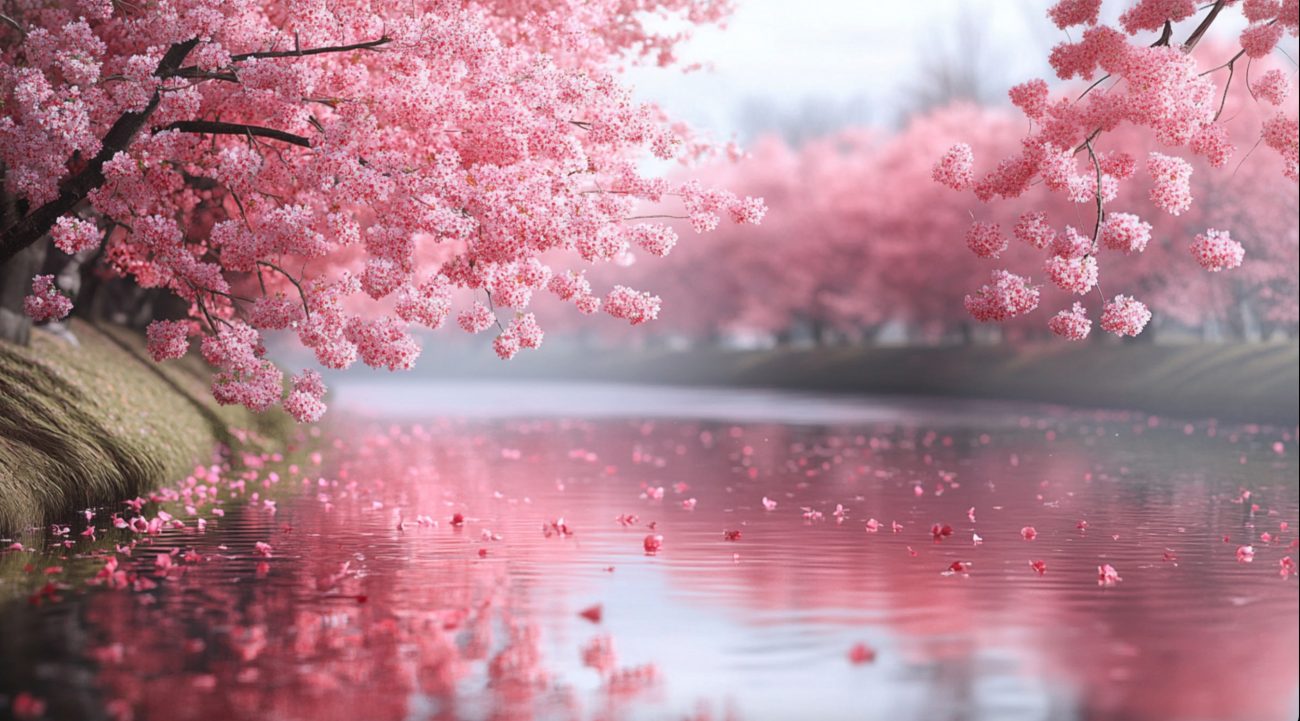
Japan’s sakura season is more than a natural spectacle—it’s a journey that unfolds from the northern reaches of the country all the way to its southern tips. In this article, we explore the progression of cherry blossoms as they fall gracefully from north to south, while highlighting the rich cultural traditions behind them and the modern technology that enhances this timeless experience. At EarthScene, our AI-powered interactive map platform available on web, iOS, and Android serves as your perfect companion for exploration.
I. The Geographic Journey of Sakura
Understanding the seasonal progression of sakura is key to appreciating its beauty. As spring unfolds, the blossoms emerge in Japan’s northern regions first, gradually making their way south as the climate warms. This natural migration is influenced by the changing weather patterns and geographical diversity of the country.
A. Regional Highlights
- Hokkaido & Tohoku: The northern regions where sakura blooms early, offering a serene and less crowded experience.
- Kanto: Home to Tokyo’s iconic cherry blossom spots, where urban energy meets natural beauty.
- Kansai: Featuring historical cities like Kyoto with celebrated parks and scenic pathways.
- Kyushu & Okinawa: The southern parts of Japan that enjoy a later bloom, often extending the cherry blossom season.
B. Natural and Meteorological Influences
The timing of the sakura bloom is intricately tied to local weather conditions, temperature variations, and regional climates. These factors not only dictate when the blossoms appear but also influence their duration and the overall viewing experience.
II. Cultural and Historical Significance
Sakura blossoms have held a revered place in Japanese culture for centuries. They symbolize the fleeting nature of life and are celebrated through poetry, art, and festivals.
A. Tradition and Symbolism
From ancient literature to modern celebrations, cherry blossoms remind us of the transient beauty of life—a core concept deeply embedded in Japanese tradition.
B. Local Festivals and Celebrations
Across Japan, numerous festivals celebrate the sakura season. The vibrant displays at these festivals create a festive atmosphere, drawing locals and visitors alike to revel in nature’s ephemeral beauty.
III. Experiencing the Sakura Journey: A Traveler’s Guide
Planning your visit during the sakura season can be a rewarding adventure. Here are some practical tips and recommendations to help you experience the blossoms at their peak:
A. Timing Your Visit
Each region in Japan experiences the bloom at slightly different times. Researching local forecasts and utilizing real-time updates on platforms like EarthScene ensures you catch the blossoms at their most vibrant.
B. Must-Visit Locations & Practical Tips
- Plan your itinerary around the predicted bloom times for each region.
- Consider visiting popular spots early in the morning to avoid large crowds.
- Utilize local transportation guides and accommodation tips to maximize your experience.
IV. Popular Sakura Spots and Festivals with Ratings & Insights
Based on real visitor data and historical insights, here’s a guide to some of the most beloved locations and festivals during the sakura season, complete with ratings, yearly visitor estimates, and a brief history of each spot:
A. Top Sakura Viewing Spots
Ueno Park, Tokyo – Rating: 4.5/5
Yearly Visitors: Approximately 10 million
Brief History: Established in the late 19th century, Ueno Park has been a cultural and historical hub in Tokyo, known for its museums and vast open spaces that come alive during sakura season.
Shinjuku Gyoen, Tokyo – Rating: 4.7/5
Yearly Visitors: Around 2 million
Brief History: Originally a residence for the Imperial family, this expansive garden blends traditional Japanese, English, and French garden designs and is famed for its meticulously maintained cherry blossoms.
Maruyama Park, Kyoto – Rating: 4.8/5
Yearly Visitors: Estimated 1-2 million
Brief History: Nestled next to the historic Yasaka Shrine, Maruyama Park is a celebrated spot for nighttime cherry blossom illuminations, creating a magical atmosphere in Kyoto.
Philosopher’s Path, Kyoto – Rating: 4.6/5
Yearly Visitors: Approximately 500,000
Brief History: This scenic walk, named after the philosopher Nishida Kitaro, has long been a source of inspiration for contemplative strolls under blooming sakura trees.
Osaka Castle Park, Osaka – Rating: 4.3/5
Yearly Visitors: Roughly 1.5 million
Brief History: Centered around the iconic Osaka Castle, this park offers a blend of historical architecture and natural beauty, with cherry blossoms adding a picturesque backdrop to the castle grounds.
Maizuru Park, Fukuoka – Rating: 4.4/5
Yearly Visitors: Around 1 million
Brief History: Once the site of Fukuoka Castle, Maizuru Park is rich in history and now serves as a popular spot for locals and tourists to enjoy sakura amidst scenic ruins.
Hirosaki Park, Aomori – Rating: 4.8/5
Yearly Visitors: Estimated 1 million
Brief History: Famous for its cherry blossom festival, Hirosaki Park surrounds a historic castle and features thousands of cherry trees, attracting visitors from across Japan and abroad.
Sankeien Garden, Yokohama – Rating: 4.5/5
Yearly Visitors: Approximately 600,000
Brief History: A traditional Japanese garden established in the early 20th century, Sankeien Garden offers a tranquil retreat with historic buildings and seasonal sakura displays.
Tsurugaoka Hachimangu, Kamakura – Rating: 4.5/5
Yearly Visitors: Around 2 million
Brief History: Founded in 1063, this revered Shinto shrine is not only a historical landmark but also a popular sakura viewing spot, blending spiritual heritage with natural beauty.
Nagoya Castle Park, Nagoya – Rating: 4.3/5
Yearly Visitors: Approximately 1.2 million
Brief History: Home to the reconstructed Nagoya Castle, this park offers visitors a glimpse into Japan’s feudal past alongside seasonal cherry blossom displays that enhance its majestic ambiance.
B. Notable Sakura Festivals
- Hirosaki Cherry Blossom Festival – Rating: 4.8/5
Yearly Visitors: Attracts close to 1 million visitors
Brief History: Celebrated in the historic Hirosaki Park, this festival has become one of Japan’s premier sakura events, renowned for its stunning castle backdrop and elaborate light-up displays at night. - Other Destinations: Destinations such as Kamakura, Yokohama, and Sapporo offer unique local celebrations and picturesque views, each contributing to the diverse tapestry of Japan’s cherry blossom culture.
These ratings and meta details are based on aggregated tourism data and historical records, providing you with a trusted guide to the best sakura experiences in Japan.
V. The Role of Technology in Enhancing the Sakura Experience
Modern technology has transformed the way we experience travel. At EarthScene, our AI-powered interactive map platform—available on web, iOS, and Android—serves as a dynamic travel companion. It provides real-time updates, detailed guides, and interactive routes that help you navigate the best sakura hotspots across Japan.
Built with cutting-edge tools such as React Native Expo 52, expo router, React Native Paper, PHP MySQL, and Firebase, our platform seamlessly integrates traditional travel wisdom with modern digital innovation. This blend of technology and culture ensures that your journey through Japan’s cherry blossom season is as smooth and informed as possible.
VI. Conclusion
From the early blooms in the north to the later displays in the south, Japan’s sakura season is a breathtaking journey of natural beauty, cultural depth, and modern innovation. Whether you’re planning a dedicated trip or simply dreaming of Japan’s enchanting landscapes, let EarthScene be your trusted guide on this vibrant adventure. Embrace the magic of cherry blossoms and share your own sakura experiences with our community.
{
  "original_title": "Chasing Sakura: The North-to-South Journey of Japan’s Cherry Blossoms",
  "category_title": "Travel & Geography",
  "places": [
    {
      "name": "Ueno Park, Tokyo",
      "latlng": "35.7148,139.7770",
      "rating": 4.5
    },
    {
      "name": "Shinjuku Gyoen, Tokyo",
      "latlng": "35.6852,139.7101",
      "rating": 4.7
    },
    {
      "name": "Maruyama Park, Kyoto",
      "latlng": "35.0036,135.7809",
      "rating": 4.8
    },
    {
      "name": "Philosopher's Path, Kyoto",
      "latlng": "35.0304,135.7637",
      "rating": 4.6
    },
    {
      "name": "Osaka Castle Park, Osaka",
      "latlng": "34.6873,135.5259",
      "rating": 4.3
    },
    {
      "name": "Maizuru Park, Fukuoka",
      "latlng": "33.5902,130.4017",
      "rating": 4.4
    },
    {
      "name": "Hirosaki Park, Aomori",
      "latlng": "40.6041,140.4647",
      "rating": 4.8
    },
    {
      "name": "Sankeien Garden, Yokohama",
      "latlng": "35.4422,139.6401",
      "rating": 4.5
    },
    {
      "name": "Tsurugaoka Hachimangu, Kamakura",
      "latlng": "35.3160,139.5502",
      "rating": 4.5
    },
    {
      "name": "Nagoya Castle Park, Nagoya",
      "latlng": "35.1567,136.9150",
      "rating": 4.3
    }
  ],
  "life_skill_tags": [
    "Exploration",
    "Cultural Appreciation",
    "Digital Navigation",
    "Travel Planning",
    "Interactive Maps"
  ]
}
